
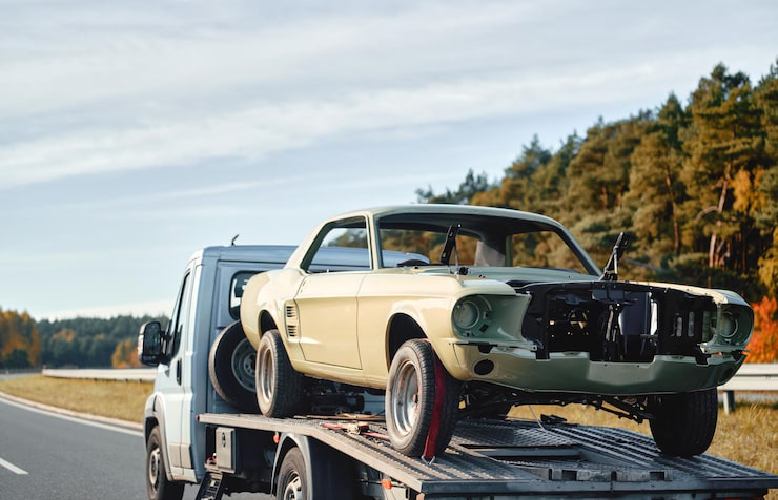
When your vehicle breaks down on the shoulder or is total wreckage after an accident, all you care about is getting it moved off the road. But the way it’s transported is just as important as the speed at which the truck gets there. An unwise choice could ruin your transmission, twist your axle or wreck your bumper. There are two popular methods to relocate a non-functioning vehicle. Investing in professional flatbed towing ensures complete safety during transport. Knowing the difference keeps your vehicle safe. Turn to D & R Enterprise for dependable Towing Services in Grand Rapids, MI to handle your vehicle the right way.
The Mechanical Design Of Traditional Hook And Chain Systems
The hook and chain setup is the granddaddy of the towing world. They employ a stout hydraulic boom fitted onto the back of a truck, along with sturdy steel chains and large hooks. When it’s time to connect up your ride, an operator gets underneath and wraps the chains right around your suspension components, frame or axle. The boom then cranks upward, lifting one end of your car completely into the air while the other tires stay stuck on the pavement.
This type of setup places great mechanical stress on your car due to the amount of brute steel being pulled against your frame. Unfortunately, contemporary vehicles rely on sensitive fiberglass, low plastic air dams and lightweight aluminum suspension systems which cannot withstand such rough treatment. Therefore, many of the more professionally operated methods do not utilize this system on standard commuters because of the risk of structural damage to the vehicle.
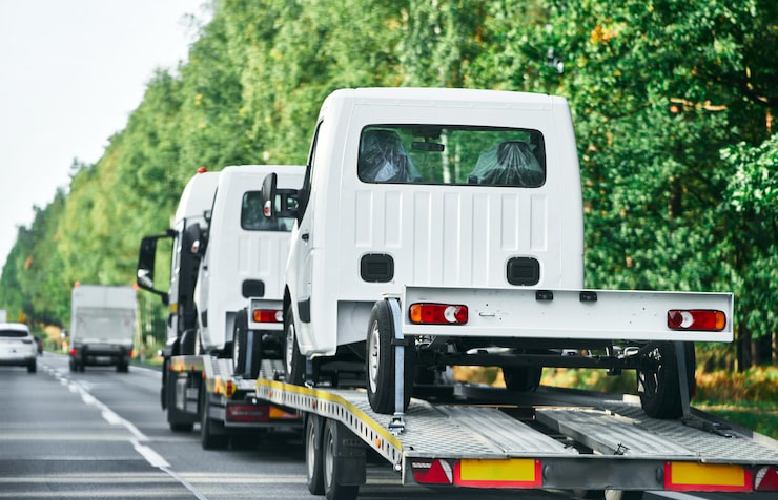
How The Flatbed System Redefines Automotive Transport
The alternative method uses a completely different layout where the entire back of the truck is a long, solid steel platform. When the driver arrives at your location, they flip a set of hydraulic controls to slide the entire deck backward and tilt it down until the tail end flushes with the asphalt, forming a ramp. Your car is then either driven up the incline or pulled up slowly using a high-powered electric winch cable hooked to a solid frame point.
Once the deck is completely cleared, your vehicle’s hydraulic system brings the deck down again on top of the truck bed and secures it level. A thick nylon wheel strap is now wrapped around all four of your tires and it is securely tied down to the deck. Utilizing flatbed towing provides a damage-free transport experience. This guarantees your car will not move during the transport to the repair shop.
Flatbed Towing Versus Hook And Chain Direct Comparisons
Choosing between these two methods comes down to how they interact with your vehicle’s mechanical parts. The physical differences determine exactly when a platform truck is required to prevent major repair bills.
Drivetrain Protection And Mechanical Safety
Here is the rule with the most implications for damage to the car. Preserve your transmission and differentials. When you have a hook truck or flatbed towing car transport company pick your vehicle up, the truck uses an arm with a hook that grips the car, and it actually picks your car up and wheels two of your tires around and around. They go about as fast as the car would go at 60 mph and there is no power being generated by the engine. With a normal front-wheel car lifted from the front, that’s fine as long as the rear wheels can just roll.
If you did that to an all-wheel or Four Wheel Drive, then you are going to total the transmission and differentials. Spinning one set of wheels while the other axle stays locked forces your central differential and transfer case to grind against themselves, burning out the system within a few miles. Choosing Flatbed Towing completely removes this danger. All four wheels rest firmly on top of the flat platform, meaning your gears never spin a single time while in transit. When safe transport is mandatory, flatbed towing is the preferred choice.
Physical Body Damage and Structural Stress
And the biggest difference when we’re talking about aesthetic issues is how they approach them. For the most part, on a hook truck, you have your car tethered against rubber mats or even crossbars made of steel, so you get side-to-side protection. Even with these precautions though, any sharp pothole or big bump or transition on a bridge can lead to your car bouncing wildly, damaging your car’s paint job, potentially bending or denting your rim or tearing your lower plastic trim.
A platform setup lifts your entire car completely away from the harsh road surface. Modern flatbed towing platforms keep low bumpers safe from scratching. Gravel spray, salt spray, and bottom-rock potholes are of no concern to the vehicle’s body and low bumpers. You will not worry at all when transporting a luxury vehicle, a vintage collector car or a low-profile exotic. It’s often because flatbed hauling is requested specifically for the exotic and classic.
When Traditional Hook Configurations Remain Useful
Although flat platforms may do a much more reliable job of keeping your primary hauler from the pavement safe and sound for all of your common recovery duties, these classic hook setups are not dead. If you’re tasked with pulling anything that was trapped in a mud-filled ravine, has rolled off an overpass into a gully, or is stuck in a cramped underground parking garage you probably won’t even be able to fit that huge flatbed inside to begin with. In these specific tight spaces, traditional recovery methods are deployed instead of standard flatbed towing equipment.
Such trucks are also the standard method for recovering those ghastly-wrecked autos that don’t steer, don’t roll and don’t retain shape to hold up their own bodies. When a vehicle is totaled, one does not concern themselves with scrapes of paint on its lower body and you quickly get your car hooked up with a chain system, which bypasses the need for clean flatbed towing procedures.
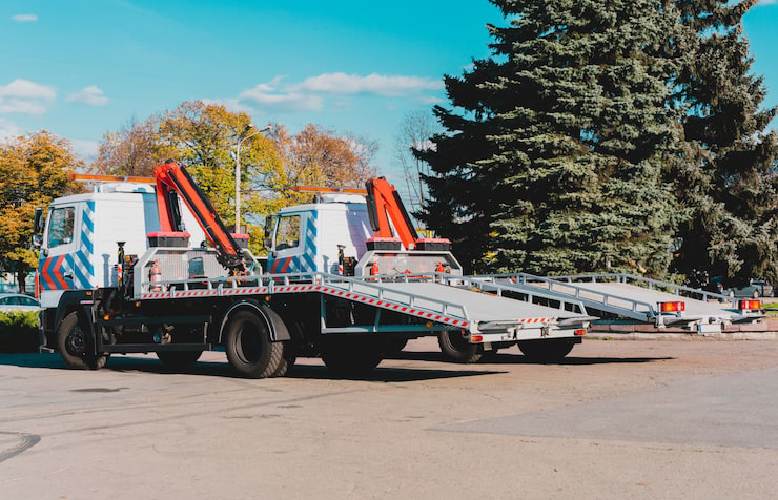
Strategic Service Offerings By D & R Enterprise
Running a versatile fleet allows our team to manage any roadside disaster across the county. Getting the right truck to your side depends entirely on what you are driving and where it needs to go.
Scrap Car Buying
When an old vehicle hits the point where it can no longer run, it needs an efficient ride to a local recycling yard. D & R Enterprise offers direct Scrap Car Buying Services built to remove non-running, rusted, or broken junkers from your driveway or lawn immediately. For these specific jobs, our operators use tough recovery tools to yank abandoned vehicles out of tight carports, soft backyards, or overgrown fields. This particular package removes your eye sores and makes sure to recycle your old steel for you. If the vehicle is structurally sound enough to roll, flatbed towing can still be used to haul it away to the yard.
Comprehensive Roadside Assistance
This is H3 Header Two
Beyond hauling away old junk vehicles, standard daily drivers need careful handling during sudden breakdowns or accidents. Modern automotive engineering requires smart transport setups to protect your alignment. Our team uses an advanced fleet of platform trucks to handle a massive range of roadside issues, including:
- Loading low-slung sports cars without scraping up the expensive front splitters through advanced flatbed towing setups.
- Moving all-wheel-drive crossovers without causing friction in the transfer case using secure flatbed towing methods.
- Securing vehicles with completely locked brakes or broken ball joints safely using specialty dollies alongside a flatbed towing unit.
- Hauling disabled vehicles straight to local repair shops right near the historic John Ball Zoo.
Protecting Lowered Vehicles and Complex Alignments
If your ride features a body kit or you are the owner of a lowered car, you know that going through most average driveways is a nightmare. Getting a lowered car winched with a regular wheel-lift will almost ensure you remove the front splitter, crack the side skirt, or fold the tip of your exhaust. Safe flatbed towing eliminates these clearance risks entirely.
Platform drivers bypass this issue entirely by carrying specialized wooden race ramps or tactical extension blocks to flatten out the loading angle during flatbed towing setup. This simple extra step ensures that even the lowest car rolls up onto the deck without a single scratch, keeping your custom body parts safe and your front-end alignment perfectly straight. Relying on professional flatbed towing prevents costly body shop visits.
Navigating Local Transit Corridors Safely
Moving a broken-down car through high-traffic highway zones takes serious local knowledge and fast work. Trying to load a vehicle on the narrow shoulder of busy highways like Interstate 196 or US Route 131 is incredibly dangerous for the driver and your family.
Flatbed trucks will use a safer approach where the driver stands completely on the side to avoid being run over by the busy traffic on a street or a highway and uses a wireless remote to wind up the car into a deck. Utilizing automated flatbed towing methods keeps everyone out of harm’s way. Today, such an approach saves a few precious moments on a busy street or on I-96 just off the DeVos Performance Hall or Van Andel Arena. For highway breakdowns, high-efficiency flatbed towing minimizes your time spent on the dangerous shoulder.
Long Distance Transport Efficiency
If your car breaks down far from home and needs to go to a specialty shop across state lines, a flat platform is your only real choice. Dragging a car for hours with two wheels rolling on the highway causes uneven tire wear, burns out your wheel bearings, and forces your suspension to take thousands of hard bumps without the engine running to lubricate your parts. Opting for flatbed towing preserves the structural life of your vehicle over long distances.
Putting your vehicle completely on top of a heavy-duty deck keeps it isolated from that endless highway abuse. Your car travels safely as heavy cargo instead of rolling along like a trailer, which keeps your odometer reading exactly where it is and cuts out any risk of a high-speed tire blowout along the highway. Long-haul flatbed towing provides the ultimate protection for long trips.
Environmental and Traffic Clearing Factors
The faster that a collision is cleaned up and out of the way our road stays functioning, our roads stay clear, and we avoid harmful secondary wrecks down the highway. A flatbed truck’s ability to handle badly damaged or broken vehicles by allowing them to be loaded with their brake on or if their wheels are busted or the front axle is broken is perfect for these nasty, complicated accidents. Emergency towing helps clear highways rapidly.
Our drivers don’t waste precious minutes trying to repair a flat wheel into something capable of rolling; instead they simply drive the flatbed right down to the ground, and hoist wreckage up in a single clean operation. This quick cleanup ability is absolutely vital for keeping traffic moving safely near major local landmarks like the beautiful Frederik Meijer Gardens.
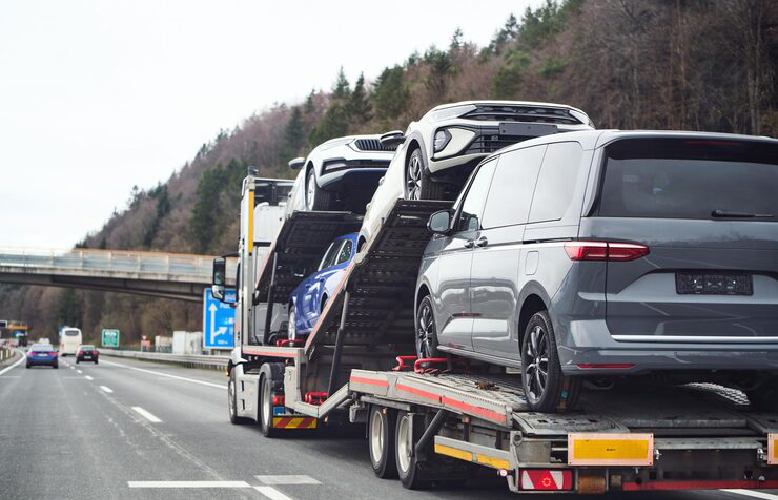
Final Decisions For Regional Vehicle Owners
Choosing a carrier varies according to the type of vehicle you are transporting and the current condition of that vehicle. Whether it’s your typical passenger car, contemporary hybrid vehicle, lavish sport-utility vehicle, or a vehicle equipped with all-wheel drive, a flatbed carrier is the only choice if you want to prevent any physical and technical damage. Standard towing remains the safest industry benchmark for high-value commuter cars. It avoids excess wear and tear, it avoids rocks on the road from cracking your windshield, and it saves your automatic transmission from going into shock and failing due to an expensive internal breakdown.
For old, beat-up, or completely crushed vehicles going straight to the scrap yard, old-school hook trucks still provide a fast, rugged option for heavy winching. Whenever you need reliable moving, emergency roadside recovery, or scrap removal, D & R Enterprise is ready to step in. Connect with the top Junk Car Buyers In Grand Rapids, MI to manage all your vehicle transport, roadside rescue, and scrap disposal needs safely and professionally.